Artificial Intelligence has quickly moved from a futuristic concept into a daily tool used by millions of people around the world. One of the biggest changes in recent years is the rise of AI Virtual Assistants. These systems are no longer limited to answering simple questions or setting reminders. Modern AI assistants can now communicate naturally, understand context, generate creative content, organize information, automate repetitive work, and even act like digital teammates.
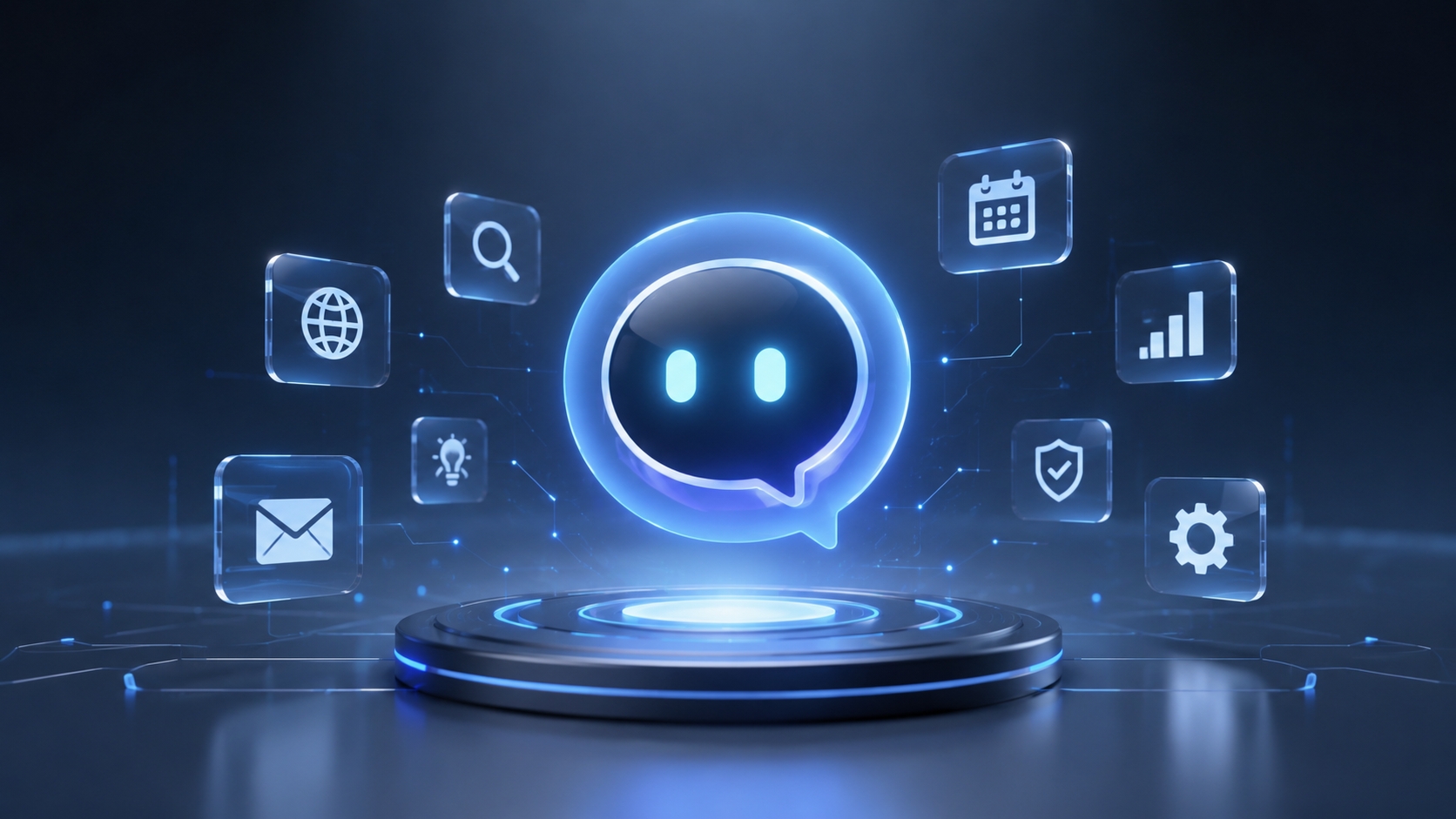
In 2026, AI assistants are becoming part of normal life for students, professionals, business owners, creators, and families. Many people already use AI without even realizing it. AI is integrated into smartphones, productivity software, customer support systems, search engines, online shopping platforms, and smart home devices. What makes this new generation of AI different is its ability to understand human language in a much more natural way. Instead of learning complicated software, users can simply describe what they want in plain English.
This shift is changing how people interact with technology. Rather than clicking through dozens of menus or apps, users can now ask an AI assistant to complete tasks directly. For example, someone can ask an AI to summarize a long document, create a travel plan, write a blog post, design marketing ideas, organize a calendar, or generate images for social media. Tasks that once required multiple tools and hours of work can now be completed in minutes.
The rapid growth of AI Virtual Assistants is also lowering the barrier to technology. People who are not technical can now access powerful digital tools without learning coding or advanced software. This is one reason why AI adoption is accelerating so quickly across industries and age groups.
What AI Virtual Assistants Can Do Today
The latest AI assistants are significantly more advanced than earlier virtual assistants like basic voice bots or automated customer support systems. Modern AI systems are powered by large language models and multimodal technology, which means they can understand text, voice, images, and sometimes even video. This allows AI assistants to handle a wide range of real-world tasks.
One of the most popular uses of AI assistants is content creation. AI can now write emails, articles, reports, product descriptions, marketing copy, video scripts, and social media captions. Businesses use AI to speed up communication and reduce repetitive writing tasks, while individuals use it to brainstorm ideas or improve their writing quality. AI is especially useful for people who struggle with writing or need to work in multiple languages.
AI assistants are also becoming powerful research tools. Instead of manually searching through websites for hours, users can ask an AI assistant to summarize information, compare products, explain technical concepts, or organize findings into a simple format. This is helping students study more efficiently and helping professionals make faster decisions.
Another major area of growth is productivity and automation. AI assistants can now organize schedules, create reminders, summarize meetings, manage tasks, and automate workflows between different applications. Some advanced AI systems can even interact with online tools directly, helping users complete repetitive digital tasks automatically.
Creative work is also changing rapidly because of AI. Many AI assistants can now generate images, logos, presentations, videos, and design concepts. Content creators and marketers use these tools to quickly produce visuals for websites, YouTube videos, advertisements, and social media campaigns. What once required a professional design team can now be done by a single person using AI-assisted workflows.
Programming and technical support are another fast-growing use case. AI assistants can help write code, debug errors, explain technical concepts, and even generate website layouts. Beginners who have never written code before can now create simple applications or websites with AI guidance. This is making software creation more accessible to ordinary users.
Voice AI has also improved dramatically. Modern voice assistants can speak naturally, understand interruptions, recognize emotional tone, and maintain longer conversations. Some AI systems now sound close to human conversation, which is transforming customer service, online education, and digital support experiences.
How Ordinary People Are Using AI
One reason AI assistants are growing so quickly is because they are useful for almost everyone, not just technology companies or programmers. Different groups of people are already using AI in practical ways every day.
Students use AI assistants to study faster and understand difficult subjects. AI can summarize textbooks, explain math problems, create practice questions, improve essays, and help organize assignments. Instead of searching through multiple websites, students can ask direct questions and receive personalized explanations instantly. AI is becoming similar to an on-demand tutor that is available at any time.
Office workers use AI to save time on repetitive tasks. Many professionals now use AI to write emails, summarize meetings, create reports, organize schedules, and prepare presentations. This reduces administrative work and allows employees to focus on more important tasks that require human decision-making and creativity.
Small business owners are also benefiting from AI assistants. Many entrepreneurs do not have large teams, so AI helps fill multiple roles at once. AI can help with marketing ideas, customer support replies, ad copy generation, social media planning, product research, and website content creation. This allows small businesses to operate more efficiently while reducing costs.
Content creators and influencers are among the biggest users of AI tools today. AI can generate video ideas, write scripts, create thumbnails, edit images, and analyze audience trends. Many creators use AI to speed up production while still adding their own personal creativity and style.
Older adults are also beginning to benefit from AI technology. AI assistants can simplify internet usage, provide voice-based help, set medication reminders, assist with video calls, and improve accessibility for people who are less comfortable with technology. As AI interfaces become more natural and conversational, they may help reduce the digital divide for seniors.
The Benefits and Challenges of AI Assistants
The biggest advantage of AI Virtual Assistants is productivity. AI reduces repetitive work and allows people to complete tasks more quickly. Research that once took hours can sometimes be completed in minutes. Writing tasks become easier, scheduling becomes more organized, and communication becomes more efficient.
AI also improves accessibility. People without technical skills can now use advanced digital tools through simple conversation. Instead of learning complicated software systems, users can simply explain what they want. This is making technology more inclusive and user-friendly.
Creativity is another major benefit. AI can help people brainstorm ideas, overcome creative blocks, and experiment with new styles or concepts. Designers, writers, marketers, and entrepreneurs often use AI as a creative partner rather than a replacement for human creativity.
However, AI assistants also introduce important concerns. Privacy remains one of the biggest issues because AI systems often process large amounts of personal information. Users should understand how their data is collected, stored, and used.
AI can also generate incorrect or misleading information. While modern AI systems are impressive, they are not perfect. Human verification is still necessary, especially for important decisions involving health, finance, law, or business.
Another concern is overdependence. As AI becomes more powerful, some people may rely too heavily on it for thinking, writing, or problem-solving. Experts continue debating how society should balance convenience with maintaining critical thinking skills.
Job disruption is also part of the discussion. AI automation may reduce demand for some repetitive roles while creating entirely new types of work. History shows that major technological shifts often transform industries rather than simply eliminate them, and AI is likely to follow a similar pattern.
The Future of AI Virtual Assistants
AI assistants are still developing rapidly, and their future capabilities may become far more advanced than what exists today. Many technology companies are already working on AI agents that can complete multi-step tasks independently with minimal human input.
Future AI assistants may manage calendars automatically, coordinate travel bookings, monitor finances, organize digital files, negotiate online purchases, and automate large parts of everyday digital life. Instead of responding only when asked, future AI systems may proactively suggest solutions and take action based on user preferences.
Personalization will likely become one of the most important features. AI assistants may learn a user’s habits, communication style, favorite tools, and long-term goals. Over time, AI could become deeply integrated into both personal and professional life.
Multimodal AI will also continue improving. Future assistants may seamlessly combine voice, text, images, video, and real-time environmental understanding into a single experience. This could make AI interaction feel more natural and intuitive than traditional software interfaces.
Despite ongoing concerns around ethics, regulation, and privacy, AI Virtual Assistants are clearly becoming one of the most important technologies of the modern digital era. For many people, learning how to use AI effectively may soon become as essential as learning how to use the internet itself.
Conclusion
AI Virtual Assistants have evolved from simple voice tools into powerful digital systems capable of helping with work, creativity, communication, research, organization, and entertainment. In 2026, these tools are becoming increasingly accessible to ordinary people, not just large companies or technical experts.
Whether someone is a student trying to study more efficiently, a business owner managing marketing tasks, a professional organizing work, or a creator producing content, AI assistants are already changing how people interact with technology.
While challenges around privacy, misinformation, and job disruption still exist, the overall impact of AI assistants is likely to continue growing in the coming years. The people who learn how to use AI effectively today may gain significant advantages in productivity, creativity, and digital skills in the future.