As the first heatwave of summer approaches, the hum of a central air conditioner kicking on is one of the most reassuring sounds in any American home. But what happens when that familiar hum is replaced by silence, or worse, the system is running but blowing lukewarm air?
The immediate thought is often of a complicated and expensive repair bill, but the reality is that a surprising number of common AC problems can be solved with a few simple troubleshooting steps that any homeowner can perform safely.
This guide is designed to empower you with a practical, step-by-step checklist to diagnose and potentially fix basic AC issues before you call for professional service. By learning these simple checks, you can save the time and money of a service call and gain a better understanding of how your system works. We will also cover the critical "red flags" that signal it's time to put down the tools and call a certified technician to ensure your home stays cool and comfortable.
Before you pick up the phone to call an HVAC professional, run through these five simple but surprisingly effective troubleshooting steps. These checks address the most common culprits behind an air conditioner that isn't working properly. Important Safety Note: Your safety is the top priority. Always turn off the power to both your indoor and outdoor HVAC units at the circuit breaker before performing any cleaning, maintenance, or inspection.
1. The Basic Thermostat Check
This may seem overly simple, but it is the central command of your entire system and is a frequent source of user error. A wrong setting can mimic the symptoms of a broken system.
Check the Mode: Ensure the thermostat is set to the "Cool" position. It's easy for this to be accidentally switched to "Heat" during a transitional weather period or set to "Fan," which will cause the blower to run but will not engage the cooling components.
Check the Temperature Setting: The set temperature must be lower than the current room temperature for the AC to initiate a cooling cycle. If the room is 75°F and the thermostat is set to 78°F, the system will not turn on. Try setting it at least 5-10 degrees below the ambient temperature to force it to engage.
Check the Batteries: If you have a battery-powered digital thermostat, dead or weak batteries are a very common cause of a non-responsive system. The screen may be blank or the thermostat may fail to send the signal to the HVAC unit. Replace the batteries with a fresh set, even if the screen is still faintly visible.
2. Air Filter Replacement
A clogged air filter is the single most common cause of reduced cooling performance and unnecessary system strain. The filter's job is to protect your HVAC equipment from dust and debris, but when it becomes saturated, it effectively chokes the entire system.
The Problem: Restricted airflow means the indoor coil can't absorb enough heat from your home's air. This leads to several noticeable issues: weak or low airflow from your vents, a system that runs constantly but struggles to lower the temperature, and, in severe cases, the formation of ice on the indoor evaporator coil as it becomes too cold. This ice can further block airflow and may lead to water damage when it melts.
The Fix: Locate your system's air filter. It is typically in a slide-in slot on the indoor furnace/air handler or in a large return air vent in a wall or ceiling. Note the size printed on the side of the filter (e.g., 16x25x1). Purchase a replacement of the exact same size and slide the new one in, making sure the airflow arrow on the filter frame points in the correct direction (usually towards the furnace/air handler). This should be done every 1-3 months, or more often if you have pets or live in a dusty environment.
3. Power Supply and Circuit Breaker Reset
An air conditioning system has multiple power connections that can be interrupted.
The Problem: A power surge from a storm or an overloaded circuit can cause the dedicated breaker for your AC system to trip, cutting power.
The Fix: Go to your home's main electrical panel. Look for the breakers labeled "AC," "Air Handler," "Condenser," or "Furnace." Central air conditioners typically have two separate breakers: one for the indoor unit (the air handler or furnace) and one for the outdoor unit (the condenser). If either breaker is in the "off" or a middle position, flip it firmly to the full "off" position and then back to the "on" position to reset it. Additionally, look for a separate outdoor disconnect box. This is a smaller electrical box usually mounted on the exterior wall near the outdoor condenser unit. Open it and ensure the switch or pull-out fuse is in the "on" position.
4. Condensate Drain Line Clearing
Your AC system is also a giant dehumidifier, removing a tremendous amount of water from the air. This water (condensate) collects in a drain pan and flows away through a PVC pipe.
The Problem: Over time, algae, mold, and sludge can build up and form a clog in this drain line. Most modern systems are equipped with a safety float switch in the drain pan or on the drain line itself. If this switch detects that water is backing up due to a clog, it will automatically shut down the entire AC system to prevent a water overflow that could cause major damage to your ceilings, walls, and floors.
The Fix: Locate the indoor air handler (often in a closet, basement, or attic). Find the white PVC drain line coming out of it. If you see standing water in the drain pan or can tell the float switch is triggered, you likely have a clog. You can often clear a simple clog by using a wet-dry vacuum on the end of the drain line where it exits your house. Hold the vacuum hose firmly over the end of the PVC pipe for a minute or two to suck the blockage out.
5. Outdoor Unit (Condenser) Cleaning
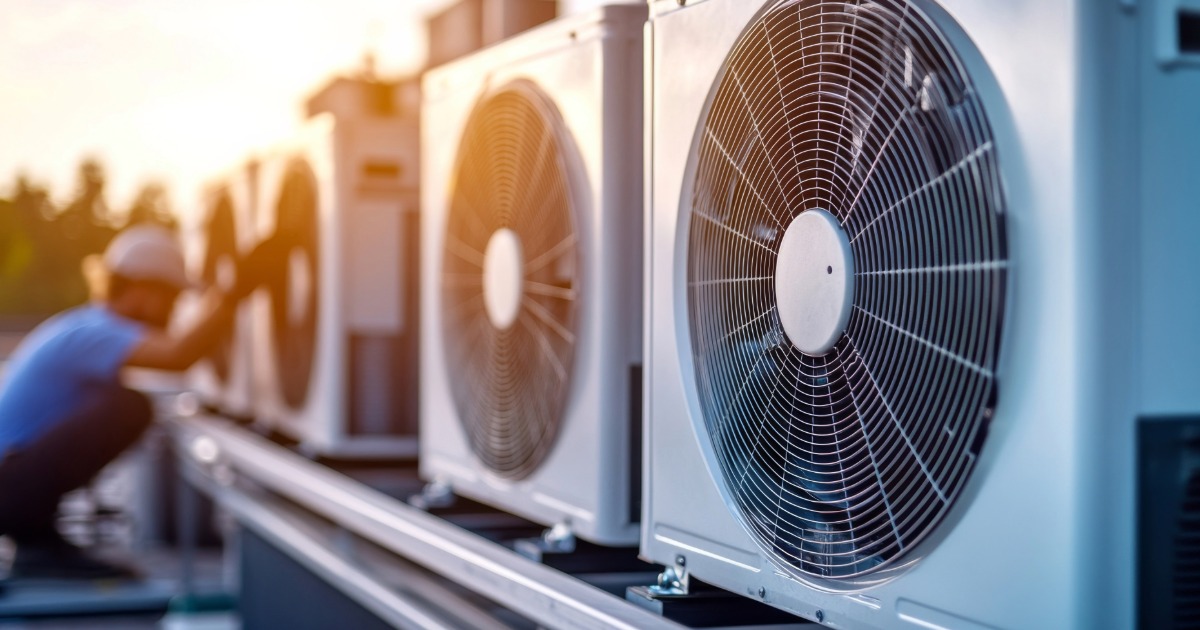
The outdoor unit, or condenser, is your system's heat exchanger. Its job is to release the heat that was removed from your home's air into the outdoors. It needs to breathe to do this effectively.
The Problem: Throughout the year, the condenser fins can become caked with a blanket of dirt, pollen, grass clippings from mowing, and cottonwood fluff. A dirty condenser cannot release heat efficiently. This forces the system to work much harder and run for longer periods, drastically reducing its cooling capacity and driving up your energy bills.
The Fix: With the power turned off at both the breaker and the outdoor disconnect box, use a garden hose with a gentle spray nozzle to rinse the condenser fins from the outside. Spray from the top down and at a slight angle to wash the dirt and debris out from between the fins. Be careful not to use a high-pressure spray, which can bend the delicate aluminum fins. Also, ensure there is at least two feet of clear space around the entire unit by trimming back any bushes, weeds, or overhanging branches.
While the steps above can solve many common issues, some problems are complex, require specialized tools, and can be dangerous for a homeowner to attempt. If you've completed the 5-step quick fix and your system still isn't working, or if you notice any of these "red flags," it's time to call a certified HVAC technician.
Refrigerant Leaks: If your system is blowing cool but not cold air, or if you notice ice buildup on the copper lines leading to the outdoor unit (even after cleaning the filter), you may have a refrigerant leak. Refrigerant is a controlled substance and can only be handled by a licensed professional. Running the system low on refrigerant can severely damage the compressor.
Capacitor Failure: If the outdoor unit makes a humming or buzzing sound but the fan won't start spinning, you likely have a failed capacitor. This is a common and relatively inexpensive part to replace, but the capacitor holds a powerful electrical charge even when the power is off and can be very dangerous to handle without proper training and tools.
Blower or Compressor Malfunction: If you hear loud, unusual noises like grinding, squealing, or metallic clanking coming from either the indoor or outdoor unit, shut the system off at the breaker immediately and call a professional. These are often signs of a failing motor or a dying compressor, and continuing to run the system can cause catastrophic and irreparable damage.
Control Board Damage: If the system is completely unresponsive and you have confirmed that it is receiving power at the breakers and disconnects, there may be an issue with the electronic control board, which is the "brain" of the unit. This requires professional diagnosis.
In the heat of summer, the demand for AC repair is high, and it can be tempting to hire the first company that can come out. To ensure you get quality work at a fair price, follow these steps:
Ask for Referrals: Start by asking for recommendations from trusted neighbors, friends, and family. A firsthand referral from someone in your community is often the most reliable lead.
Check for Certifications and Licensing: A reputable HVAC company and its technicians will be licensed by your state and insured. Look for technicians who hold certifications from organizations like NATE (North American Technician Excellence), which is the industry gold standard for competency.
Read Online Reviews: Use platforms like Google, Yelp, and Angi to check a company's reputation. Don't just look at the star rating; read the reviews. Look for a pattern of positive comments that mention professionalism, punctuality, clear communication, and fair pricing.
Get a Written Estimate: For any major repair, it is essential to get a detailed, written estimate that clearly outlines the diagnosis, the work to be done, the parts required, and the total cost before you authorize the repair.
Beware of High-Pressure Sales Tactics: Be cautious of any technician who immediately insists that you need a full system replacement for what seems like a minor issue. A trustworthy professional will explain the problem clearly, show you the failing part if possible, and give you clear options for both repair and replacement, allowing you to make an informed decision.
By performing a few simple troubleshooting steps yourself, you can often solve common AC problems and save the cost and hassle of a service call. And for those times when a professional is needed, knowing the red flags and how to find a reputable technician will ensure your system is repaired correctly and efficiently, keeping your home cool and comfortable all summer long.