A slip and fall can happen in an instant. The consequences—physical pain, mounting medical bills, and lost wages—can last for months or even years. When a fall occurs on someone else's property due to a hazardous condition, you may have a legal right to compensation for your injuries.
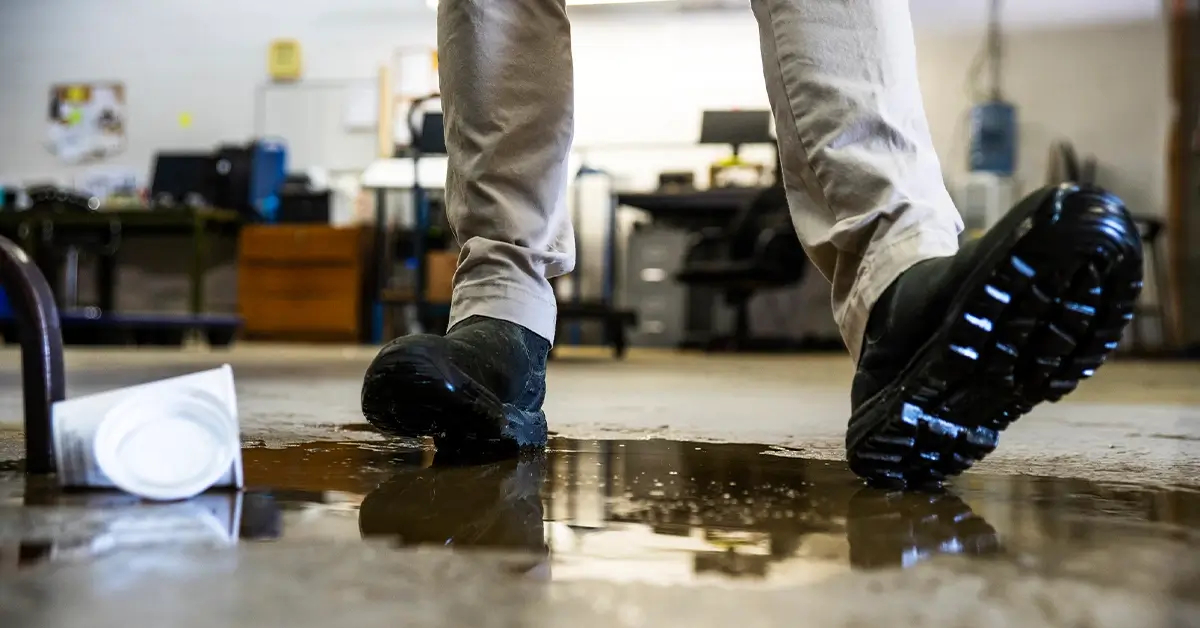
For example, a wet floor without a warning sign, an icy walkway that wasn't salted, or a broken stair that wasn't repaired. This area of law is known as "premises liability." It holds property owners responsible for maintaining a safe environment for visitors.
However, a successful personal injury claim is not automatic. It depends entirely on the actions you take in the immediate aftermath of the incident. The steps you take in those first few hours and days are crucial for preserving the evidence that is necessary to build a strong case and protect your legal rights.
This guide is designed to provide a clear, practical, and step-by-step action plan for what to do after a slip and fall.
The moments following a fall can be disorienting, painful, and confusing. However, it is essential to be as methodical as possible in this critical window of time. Each of the following steps is designed to document the incident and your injuries, which is the foundation of any successful personal injury claim.
Step 1: Seek Immediate Medical Attention
Your health and well-being are the absolute first priority, above all else. Even if you believe your injuries are minor or you just feel "shaken up," it is crucial to be evaluated by a medical professional as soon as possible, either at an urgent care clinic or a hospital emergency room. Some serious injuries, such as concussions, hairline fractures, or internal damage, may not have immediate or obvious symptoms. The adrenaline from the fall can mask pain for hours. Seeking prompt medical care does two critical things: it ensures you receive the proper diagnosis and treatment to begin your recovery, and it creates an official medical record that documents your injuries and, most importantly, links them directly to the time and date of the fall. Delaying medical care can make it more difficult to prove that your injuries were a direct result of the incident.
Step 2: Report the Incident to the Property Owner or Manager
Before you leave the premises, it is vital to report the fall to the owner, manager, or person in charge of the property. If you fall in a grocery store, report it to the store manager. If you fall at an apartment complex, report it to the landlord or property management office. Insist that they create an official incident report, and ask for a copy for your records. When giving your report, stick to the simple, objective facts of what happened. Do not speculate, admit any fault, or downplay your injuries. Simply state where and how you fell and that you are injured.
Step 3: Document the Scene Meticulously (Evidence is Everything)
A "hazardous condition" is, by its nature, temporary. A puddle can be mopped up, an icy patch can be salted, or a broken tile can be replaced very quickly after an incident. It is vital that you document the exact cause of your fall before it is altered or erased. Use your smartphone to take extensive photos and videos from multiple angles and distances.
Capture the Specific Hazard: Get close-up shots of the substance you slipped on, the crack in the sidewalk you tripped over, or the broken step that gave way.
Capture the Surrounding Area: Take wide-angle shots of the entire area to show the context. Was the lighting poor? Was a "Wet Floor" sign absent? These details are crucial.
Preserve Your Footwear and Clothing: The shoes you were wearing are an important piece of evidence. Place them in a safe place, like a plastic bag, and do not wear them again until your case is resolved. If your clothing was torn or bloodied from the fall, preserve it as well.
Step 4: Identify and Speak to Witnesses
If anyone saw you fall, or saw the hazardous condition before you fell, their testimony can be incredibly valuable to your claim. Politely ask for their name and contact information (phone number and email address). An independent witness who can corroborate your version of events can help establish that the hazardous condition existed and that it was the cause of your fall, countering any potential claims that you were simply not paying attention.
Step 5: Keep Detailed Records of Everything
From this point forward, you must become a meticulous record-keeper. The strength of your claim will depend on the quality of your documentation. Get a dedicated notebook or folder and keep track of everything related to your fall and your injuries. This includes:
A Personal Journal: Every day, write down the pain you are experiencing (on a scale of 1-10), which parts of your body hurt, and how your injuries are impacting your daily life. Document any activities you can no longer do, from working and household chores to recreational hobbies.
All Medical Records: Keep copies of all doctor's visit summaries, hospital discharge papers, physical therapy notes, and receipts for all medical bills, co-pays, and prescription medications.
Proof of Lost Wages: Keep all pay stubs and get a letter from your employer documenting any time you have missed from work due to your injuries and the amount of income you have lost as a result.
Step 6: Be Cautious in Your Communications
Do not post about your fall, your injuries, or your daily activities on social media platforms like Facebook or Instagram. Do not give a recorded statement to the property owner's insurance company without first consulting with an attorney. Insurance adjusters are trained to ask questions in a way that may elicit responses that can be used to diminish your claim later on. Stick to the facts when reporting the incident and let your medical records and documented evidence speak for themselves.
While a minor slip with no lasting injury may not require legal action, if you have incurred medical bills, lost wages, or are experiencing significant pain, consulting with a personal injury attorney is a crucial step to ensure your rights are protected.
How to Find a Local Lawyer:
Personal Referrals: Start by asking for recommendations from friends, family, or coworkers who have had a positive experience with a lawyer in a similar situation.
Local Bar Associations: Your local or state bar association often has a lawyer referral service that can connect you with a qualified and vetted personal injury attorney in your area.
Reputable Online Legal Directories: Websites like Avvo, FindLaw, and Martindale-Hubbell allow you to search for personal injury lawyers in your city and read client reviews and peer endorsements, which can help you gauge an attorney's reputation and experience.
Understanding Legal Costs: The Contingency Fee
Many people are hesitant to contact a lawyer because they are worried about the cost, especially when they are already facing medical bills and lost income. However, it is important to know that nearly all personal injury lawyers in the United States work on a "contingency fee" basis.
What this means: This means you do not pay the lawyer any upfront fees for their services. The lawyer's fee is "contingent" on them winning your case. If they successfully secure a settlement or a court verdict for you, their fee is a pre-agreed-upon percentage of the total recovery.
"No Fee Unless You Win": If they do not win your case, you owe them nothing for their time and effort. This system allows anyone, regardless of their financial situation, to have access to quality legal representation.
Free Consultations: Because of this structure, almost all personal injury attorneys offer a free initial consultation. This allows you to discuss the details of your case, show them the evidence you have collected, and get a professional opinion on the strength of your claim, all at no cost and with no obligation to hire them.
The period following a slip and fall is a critical time. By seeking immediate medical attention, meticulously documenting the incident and its aftermath, and understanding your rights, you can protect your health and your ability to seek fair compensation for your injuries. For any significant injury, taking advantage of a free consultation with a qualified local personal injury attorney is the best way to understand your options and ensure your rights are protected throughout the claims process.